CHL Laws in Texas Explained (2026 Guide to LTC & Carry Laws)
If you’ve been searching for information about CHL laws in Texas, you’re not alone. Even though the term “CHL” (Concealed Handgun License) is still widely used, Texas officially replaced it with the License to Carry (LTC). Today, both terms refer to the same thing—but the laws surrounding carrying a handgun in Texas have evolved significantly.
In this guide, we’ll break down everything you need to know about Texas CHL/LTC laws, including requirements, where you can carry, and why getting licensed still matters.
What Is a CHL in Texas? (Now Called LTC)
The CHL (Concealed Handgun License) was the original permit required to carry a handgun in Texas. However, the state updated the terminology to License to Carry (LTC) when open carry laws were introduced.
- CHL = old term
- LTC = current official term
- Same license, same purpose
Today, most people still use “CHL” out of habit, but legally, it’s called an LTC.
Do You Still Need a CHL/LTC in Texas?
As of 2021, Texas passed a permitless carry law (also called “constitutional carry”). This means:
- You do NOT need a license to carry a handgun in many public places
- You must still be 21+ and legally allowed to possess a firearm
- Certain restrictions still apply
However, having an LTC still offers important advantages.
According to Texas law resources, licensed carriers may be allowed to carry in places where unlicensed carry is restricted, and licenses are required for reciprocity with other states.
Benefits of Getting a Texas LTC (CHL)
Even though it’s not required, getting your LTC is still highly recommended:
Carry in More Places
Some locations restrict unlicensed carry but allow licensed carry.
Reciprocity (Travel)
Your LTC allows you to carry in other states that recognize Texas licenses.
Fewer Restrictions
Licensed carriers often have fewer limitations compared to permitless carry.
Faster Firearm Purchases (in some cases)
An LTC can streamline certain background check processes.
Texas CHL / LTC Requirements
To qualify for a Texas LTC, you must meet certain legal requirements:
- Be at least 21 years old (with some exceptions for 18–20)
- Not have felony convictions
- Not have certain recent misdemeanor convictions
- Be legally eligible to possess a firearm
Applicants must also complete:
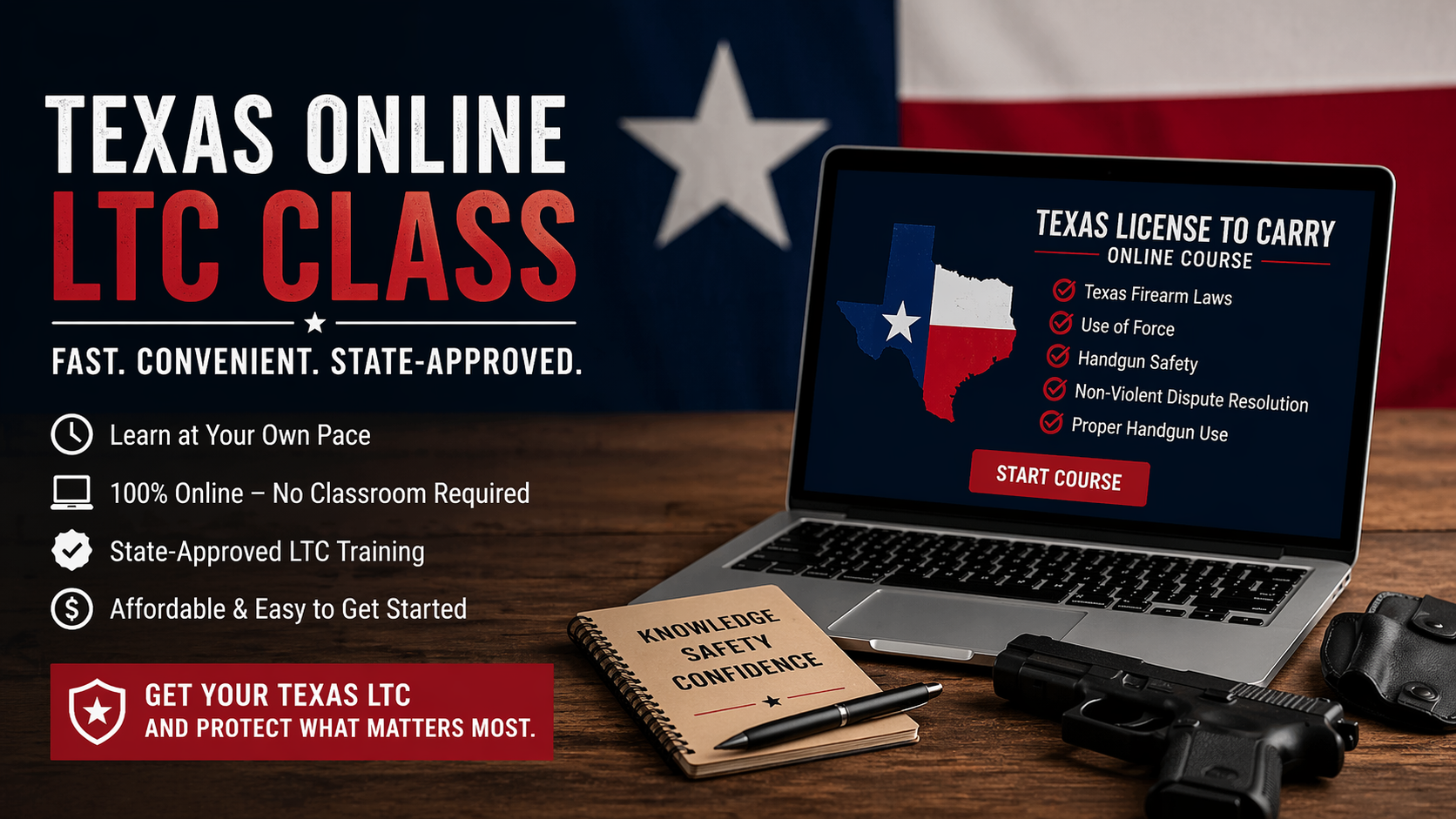
- State-approved training course
- Written exam
- Range qualification (shooting test)
- Application through Texas DPS
Where Can You Carry in Texas?
Texas CHL/LTC laws include strict rules about where you can and cannot carry.
Generally Allowed:
- Public areas (with or without LTC depending on conditions)
- Your vehicle
- Private property (unless restricted)
Common Restricted Locations:
- Schools and school grounds
- Bars (51% establishments)
- Certain government buildings
- Private businesses with proper signage
Texas uses specific legal signs like:
- 30.05 – No trespassing / firearm restrictions
- 30.06 – No concealed carry
- 30.07 – No open carry
Understanding these signs is critical to staying compliant.
Duty to Inform Law Enforcement
If you have an LTC and are carrying a handgun:
- You must show your LTC and ID if a peace officer asks
This is known as the “duty to inform” law under Texas Government Code.
CHL vs Constitutional Carry: Key Differences
| Feature | LTC (CHL) | Permitless Carry |
|---|---|---|
| License Required | Yes | No |
| Training | Required | Not required |
| Reciprocity | Yes | No |
| Carry Locations | More access | More restricted |
| Legal Protection | Stronger | Limited |
Why Understanding Texas CHL Laws Still Matters
Even with permitless carry, Texas gun laws are complex. Misunderstanding signage, restricted areas, or eligibility can lead to serious legal consequences.
An LTC ensures you:
- Understand use-of-force laws
- Know where you can legally carry
- Reduce your legal risk
Final Thoughts
Texas CHL laws may have changed in name and structure, but they are still highly relevant today. While you can legally carry without a license in many situations, getting your Texas LTC (formerly CHL) remains one of the smartest decisions for responsible gun owners.
If you want maximum flexibility, legal protection, and peace of mind—getting licensed online is still the way to go.